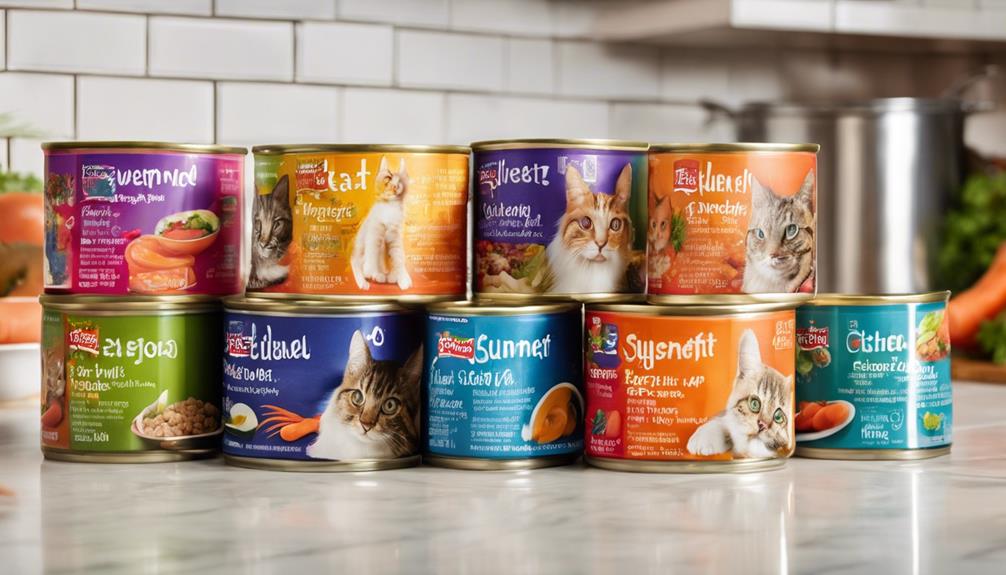
Wet food for cats provides essential benefits for your cat’s health. First, it promotes hydration with its high moisture content, helping to prevent urinary issues. It also supports healthy digestion by enhancing nutrient absorption and reducing digestive upset. Cats find wet food more palatable due to its rich flavors, which can stimulate their appetite. Additionally, it aids in weight management, allowing for larger portions with fewer calories. Wet food offers essential nutrients, crucial for muscle maintenance and overall well-being. Finally, it encourages natural feeding behaviors, mimicking their prey. Exploring further reveals more insights into these advantages.
Table of Contents
Promotes Hydration
Hydration is crucial for maintaining your cat’s overall health, and incorporating wet food into their diet significantly promotes this essential need. Cats naturally have a low thirst drive, which can lead to chronic dehydration if they primarily consume dry food. By offering wet food, you enhance their moisture intake, contributing to hydration benefits that are vital for their kidney function and urinary tract health.
Wet food typically contains about 70-80% moisture, making it an effective way to improve your cat’s hydration levels. This increased moisture retention helps dilute urine, minimizing the risk of urinary crystals and stones, which are common issues in felines.
Additionally, proper hydration supports normal body temperature regulation and aids in the transportation of nutrients throughout your cat’s system.
Choosing high-quality wet food can also ensure that your cat receives essential vitamins and minerals that promote overall well-being. As a caring pet owner, understanding the hydration benefits of wet food allows you to make informed choices that support your cat’s health and longevity.
Providing a balanced diet that includes wet food can significantly enhance your feline companion’s quality of life.
Supports Healthy Digestion
When it comes to your cat’s diet, incorporating wet food can significantly support healthy digestion. Wet food often contains higher moisture content, which aids in the breakdown of food and the absorption of nutrients. This is particularly beneficial for your cat’s digestive system, as it helps maintain hydration levels and promotes regular bowel movements.
Moreover, many wet food options include fiber sources such as beet pulp or pumpkin. These ingredients can improve gut motility and reduce the likelihood of constipation. Fiber acts as a prebiotic, fostering a healthy gut microbiome, which is essential for overall digestive health.
Additionally, wet food may contain added digestive enzymes that assist in breaking down proteins and fats more efficiently. These enzymes facilitate nutrient absorption and can help reduce digestive upset, providing your cat with a more comfortable eating experience.
Enhances Palatability
Wet food offers a rich flavor profile that appeals to your cat’s taste buds, making mealtime more enticing.
The aroma of wet food can attract cats, stimulating their appetite and encouraging them to eat.
Additionally, the variety of textures in wet food can cater to different preferences, enhancing overall palatability and satisfaction.
Rich Flavor Profile
A rich flavor profile in wet cat food significantly enhances its palatability, making it more appealing to felines. This quality not only encourages consumption but also supports your cat’s overall health by ensuring they receive adequate nutrients.
The flavor exploration offered by wet food provides a sensory experience that can help keep your cat engaged and satisfied.
Here are three aspects of a rich flavor profile that contribute to its appeal:
- Variety of Ingredients: Wet cat food often combines meats, fish, and vegetables, creating a diverse range of flavors that cater to your cat’s preferences.
- Moisture Content: The high moisture level in wet food intensifies the flavors, ensuring each bite is juicy and flavorful, which is particularly appealing to cats.
- Texture Options: Different textures, such as pâté or chunks in gravy, provide your cat with a varied eating experience, making mealtime more enjoyable.
Aroma Attraction
The aroma of wet cat food plays a significant role in its overall palatability, drawing cats in and stimulating their appetite. Research indicates that aroma intensity significantly influences a cat’s food choice, as cats have a heightened sense of smell compared to humans. This heightened olfactory ability allows them to detect and differentiate various scents, making aroma a critical factor in their feeding behavior.
When selecting wet food, consider your cat’s unique scent preferences. Some cats are more attracted to specific aromas, such as fish or poultry, while others may prefer a combination of different scents. The right aroma can enhance the overall eating experience, leading to increased food intake and better nutrition.
Additionally, the appealing scent of wet food can entice even the pickiest eaters to try new flavors.
It’s worth noting that the aroma not only serves to attract your cat but also signals the nutritional value of the food. By prioritizing wet food with strong, appealing aromas, you’re providing your cat with a more enjoyable and engaging mealtime experience. This can lead to improved health and well-being, ultimately benefiting both you and your feline companion.
Texture Variety
Cats benefit significantly from a diverse range of textures in their wet food, as this variety enhances palatability and encourages increased food consumption.
Understanding your cat’s textural preferences can lead to improved dietary habits, as different textures provide essential sensory stimulation that can make mealtime more enjoyable.
Here are three key benefits of texture variety in wet food:
- Increased Acceptance: Cats often show a preference for certain textures, such as chunky, smooth, or pâté. Offering a mix can help you cater to their individual likes and dislikes, increasing the likelihood they’ll consume their meals.
- Enhanced Sensory Experience: Different textures engage your cat’s senses, making the eating experience more pleasurable. This sensory stimulation can be particularly beneficial for picky eaters or those with reduced appetite, encouraging them to eat more.
- Preventing Boredom: Just like humans, cats can become bored with repetitive meals. A variety of textures keeps mealtime interesting, promoting consistent food intake and overall health.
Incorporating a range of textures into your cat’s diet can lead to better nutrition and a happier, healthier feline companion.
Helps Maintain Ideal Weight
Feeding your cat wet food can significantly help in maintaining an ideal weight due to its high moisture content.
This moisture not only promotes hydration but also allows for lower calorie density, enabling your cat to feel fuller without excessive calorie intake.
Additionally, a balanced nutritional profile in wet food ensures that your cat receives the necessary nutrients while managing their weight effectively.
High Moisture Content
With a high moisture content, wet food plays a crucial role in helping maintain your cat’s ideal weight. The increased water content in various wet food types not only hydrates your feline but also contributes significantly to their overall health.
By incorporating wet food into your cat’s diet, you can leverage several moisture benefits:
- Reduced Caloric Density: Wet food typically contains fewer calories per gram than dry food, allowing your cat to consume larger portions without excess weight gain.
- Enhanced Satiety: The moisture in wet food promotes a feeling of fullness, helping to curb overeating and unnecessary snacking throughout the day.
- Improved Digestion: High moisture levels can aid in digestion, making it easier for your cat to process nutrients efficiently, which is vital for weight management.
Balanced Nutritional Profile
Choosing wet food for your cat can provide a balanced nutritional profile essential for maintaining an ideal weight. Unlike dry food, wet food typically contains higher levels of protein and essential nutrients, which support optimal nutrient absorption. This balance helps your cat thrive while preventing excessive weight gain.
Wet food is also designed to meet your cat’s energy levels, ensuring they receive adequate calories without overindulging. The moisture content in wet food enhances satiation, allowing your cat to feel full without consuming excess calories. This is particularly beneficial for cats prone to obesity, as it promotes a healthy weight management strategy.
Furthermore, wet food often contains fewer carbohydrates compared to dry options, which can be beneficial for your cat’s overall health. Lower carbohydrate levels contribute to stable blood sugar levels, reducing the risk of diabetes and other metabolic disorders.
Provides Essential Nutrients
Offering wet food to your cat ensures they receive a balanced array of essential nutrients crucial for their overall health. Unlike dry kibble, wet food promotes better nutrient absorption, allowing your cat to utilize these nutrients effectively. This can be particularly beneficial for their well-being.
Here are three key benefits of wet food regarding essential nutrients:
- High Protein Content: Wet food often contains higher levels of protein, necessary for muscle maintenance and energy. Cats are obligate carnivores, requiring protein for optimal health.
- Essential Vitamins: Wet food is typically rich in essential vitamins like A, D, and E. These vitamins support various bodily functions, including immune health and vision.
- Moisture Content: The high moisture content in wet food aids in hydration, which is vital for overall health and supports the digestive system.
Reduces Urinary Tract Issues
Wet food can significantly contribute to reducing urinary tract issues in cats. One of the primary benefits of wet food is its high moisture content, which helps maintain optimal hydration levels.
Increased water intake is crucial for urinary health, as it dilutes urine and promotes regular urination. This process can prevent the formation of urinary crystals and stones, which are common culprits behind bladder dysfunction.
Research shows that cats on a wet food diet tend to have healthier bladder function due to their increased fluid intake. The moisture in wet food not only aids in flushing out toxins but also helps to keep the urinary tract clear of obstructions.
Encourages Natural Feeding Behavior
Many cat owners may not realize that incorporating wet food into their pets’ diets encourages natural feeding behaviors.
Cats are instinctive hunters, and wet food can mimic the texture and moisture content of prey, making it a more appealing option. By choosing wet food, you can help support your cat’s natural instincts and improve their feeding habits.
Here are three key benefits of wet food in encouraging natural feeding behavior:
- Hydration: Wet food contains high moisture levels, promoting hydration and mimicking the water content found in prey, which is vital for overall health.
- Variety in Texture: The soft texture of wet food can stimulate your cat’s interest, keeping mealtime engaging and satisfying their need to chew.
- Scent Appeal: The aroma of wet food is often stronger than that of dry food, appealing to your cat’s keen sense of smell and encouraging natural foraging behaviors.
Frequently Asked Questions
Can Wet Food for Cats Be Mixed With Dry Food?
Yes, you can mix wet food with dry food. This combination offers a varied wet food texture while maintaining a dry food balance, promoting hydration and enhancing palatability, which can encourage better eating habits for your cat.
How Often Should I Feed My Cat Wet Food?
You’ll want to feed your cat wet food at least once daily, balancing it with dry food. Establishing a consistent feeding schedule and practicing portion control ensures they thrive and stay healthy throughout their lives.
Is Wet Food Suitable for Kittens and Senior Cats?
Wet food’s suitable for both kittens and senior cats due to its nutritional benefits and hydration advantages. It supports growth in kittens and helps maintain health in seniors, ensuring they receive essential moisture and nutrients.
What Are the Signs of a Cat Preferring Wet Food?
You might notice your cat’s feeding habits change, showing excitement at mealtime, lingering near wet food, or leaving dry food untouched. These behaviors indicate a clear preference for wet food, reflecting their unique cat behavior.
Are There Any Risks Associated With Feeding Cats Wet Food?
Could feeding your cat wet food pose risks? While it offers hydration, you must ensure nutritional balance and watch for potential allergies. Regular vet check-ups can help mitigate these concerns and keep your feline healthy.
Conclusion
Incorporating wet food into your cat’s diet can be a game-changer for their overall well-being. This nourishing option not only keeps them hydrated but also supports their digestive health and weight management. By choosing wet food, you’re providing your feline friend with essential nutrients while reducing the risk of urinary tract concerns. Ultimately, you’re contributing to a happier, healthier life for your beloved companion, ensuring those precious moments together are filled with vitality and joy.